Thursday, June 13, 2013

The flapper’s varicose veins-free legs

The charm of the roaring ‘20s will never be complete without women in bobbed hair, fox-trotting their velvety, flawless legs on the dance floor. Yes, the legs, which were either clad in hosieries or naked under the knee-length skirts, became the icon of this almost-forgotten decade.

Image Source: historyiselementary.blogspot.com

As fashion regresses, designers borrow ideas from the lost years to come up with a new trend. This time, with the resurrection of ‘20s fashion, many women have noticed that a ‘20s ensemble is incomplete without a flapper’s signature legs – smooth legs that evoke desire, charm, and beauty.

The release of the movie The Great Gatsby has reminded viewers of the glamour that enveloped the roaring ‘20s, and women wanted to copy the look of Daisy and the other female characters in the movie. And as the fashion and beauty industry dictates, legs that aren’t as smooth as that of the flappers are an awful addition to pleats and billows of flapper skirts or tap pants. And flawless legs should be varicose veins-free.

Image Source: style.uk.msn.com

The good thing is that achieving the flapper’s legs isn’t really that hard today. The perfect legs are very achievable with the help of advanced medical treatments and technology. Dr. Raymond Little of The Vein Institute and MediSpa and Dr. John Mauriello of The Cardiovascular and Vein Center of Florida offer varicose vein treatments that can transform even tedious work-stricken legs into gams that can turn the head of a man like Jay Gatsby.

Image Source: sltrib.com


This Facebook page offers more information on vein disease, treatment, and care.

Tuesday, May 28, 2013

Function and fashion: Compression stockings need not be boring

One of the recommended treatments for varicose veins is the wearing of compression stockings. The Mayo Clinic sees it as a first approach in treating varicose veins before trying on other treatment procedures.

Image Source: MedicalExpo.com

Compression stockings vary in fitness and the amount of compression they provide, depending on the type and brand. Typically, they are beige-colored, thick, and clinical-looking—a standard appearance that has repelled some women.

Fortunately, there are companies today that manufacture functional and fashionable compression stockings. RejuvaHealth, for instance, creates compression stockings with designer fashion patterns—thigh-high stockings with lace “stay-up” bands that resemble lingerie, sheer knee-high compression socks with floral or printed patterns, and athletic leggings and capris. LegLuxe also has a line of elegant compression stockings that not only promote good blood circulation but also help elongate the legs.

Image Source: Rejuvahealth.com

T.J. Simpson shares on Yahoo! how she used to feel miserable for wearing “hideous,” “uncomfortable,” and “unfeminine” compression stockings. Now, she enjoys wearing them in breathable microfibers and fashionable designs. “I'm also having fun experimenting with fashionable compression legwear, as more companies are realizing that women should be able to look stylish as well [as have] comfort,” she says.

While wearing compression stockings may relieve vein disease symptoms, it will not make the varicose veins go away. Sclerotherapy, surgical vein stripping, and endovenous laser therapy remain the most effective options in treating varicose veins.

Image Source: TonusEurope.com

Dr. Raymond Little specializes in the diagnosis and treatment of varicose veins and spider veins using sclerotherapy, surgical vein stripping, and other proven techniques. Learn more about varicose vein treatments on this website.

Tuesday, April 16, 2013

REPOST: New Treatment for Varicose Veins

Medicine continues to find solutions to common health and body problems.  In fact, a new treatment for varicose veins has been discovered.  Read this report from ABC for more details:


Twisted rope-like veins bulge out of the legs of 50 percent of women in the United States, according to the American Academy of Dermatology.

Varicose veins can be more than just plain ugly. The unsightly veins can cause pain, swelling or itching severe enough to drive many sufferers to seek medical help.

Over the years, several procedures for treatment have surfaced, but most have been somewhat invasive.

A relatively new procedure that's being used in about 100 doctors' offices around the country is said to be far less invasive, painful and time-consuming than the current most popular procedure, known as vein stripping.

Seeking Closure

Mark Adelman, director of vascular surgery at Bellevue Hospital in New York City, says a procedure known as VNUS, or "closure," is a great option for patients who've been putting off a varicose vein procedure because of the pain and recovery time traditionally involved.

"The procedure itself is not painful at all and after the surgery the patients resume the normal day-to-day activities without pain," Adelman said on ABCNEWS' Good Morning America.

VNUS, which uses a radio frequency to close the troublesome vein, can be done while patients are under localized anesthesia, and patients usually recover completely in one to two days, Adelman said.

Varicose or "enlarged" veins that sit just under the skin of the leg have numerous causes. The most common cause is a valvular dysfunction of the main vein on the leg. That vein should allow blood to pass through the leg to the heart and close so blood doesn't pass back. When it's dysfunctional, the blood can pass back, causing the enlargement.

More women suffer from varicose veins than men because it's worsened by estrogen stimulation and by anything that puts pressure on the abdomen, like obesity or pregnancy. Only 20 percent of American men suffer from varicose veins.

Throbbing Pain

Lynette McCollum has been trying to cope with her own varicose veins for five years. The 38-year-old Broadway performer and mother of two said she's tried every trick in the book to try and relieve the pain of the veins — but support hose and dieting hasn't helped. "It's painful, the throbbing and the heaviness of the leg," she said.

McCollum hasn't been willing try traditional varicose vein removal procedures because they seemed too invasive to her. Vein stripping, the most commonly used procedure, is very effective, according to Adelman, but recovery can be difficult, he said. It entails two incisions on the leg — one at the ankle and one at the groin.

A wire is then passed through that main vein, which is pulled out. Once it's removed, several smaller incisions are made that remove the small branches of blood vessels off the main vein. The trauma of the tearing causes recovery to be uncomfortable, with bruising and an irritation of the nerves that could cause numbness, Adelman said.

With VNUS, there is only one incision at the ankle. A small catheter the size of a piece of spaghetti is passed through the vein and travels to the groin where a trigger is pulled. That opens prongs on the catheter, which contact a wall of the vein. The radio frequency is then turned on and the heat closes the vein.

Becoming Invisible

Since no blood remains in the vein, it becomes invisible, and not in position to feed the smaller branches. According to Adelman, there's no bruising and very little swelling or numbness associated with this treatment, but it takes about two to three weeks for the vein to completely disappear.

About 10,000 VNUS (www.vnus.com) treatments have been carried out since the Food and Drug Administration approved its use in 1999.

The cost of the procedure is comparable to vein stripping, which ranges from $2,000 to $4,000 per leg. Closure usually costs around $2,000 to $2,500. Some insurers cover it interchangeably with vein stripping as a medical necessity, not just a cosmetic procedure, but some insurers are just becoming aware of it, said Adelman

Other varicose vein removal procedures include sclerotherapy, which treats both spider and varicose veins. It consists of injecting a solution into the vein and bandaging the area tightly for about 24 hours. A yellow-brown discoloration can sometimes appear in the treated area. This may take weeks or sometimes months to fade.

Laser therapy also may be used to treat spider veins. Sometimes more than one treatment is needed.

While high-tech treatments have become available, experts say there are ways to ease the discomfort associated with varicose veins. Support hose and tight-fitting elastic stockings can help prevent blood from pooling in the legs and increasing pressure on veins with damaged valves.

Elevating the legs to help gravity drain blood out of the leg veins is often recommended as well. 


Dr. Raymond Little is an expert in the treatment of vascular conditions such as varicose veins.  Find more insights on vascular diseases and conditions from this Twitter page.

Monday, March 25, 2013

Aneurysm: The silent killer

Each person in a society works as part of a network that keeps the whole system running smoothly. For as much as there are activities in life, there are veins that make sure each part functions properly. Anatomy teaches that each individual is composed of veins where blood courses through, helping the body do what it needs to do on a daily basis. Unfortunately, much like it is in any society where bad people shoot down the progress of the good, anatomy also teaches that there are silent, but very violent, killers in the body.

Image source: wellnessamericas.com

Aneurysm is defined as “an abnormal blood-filled bulge of a blood vessel and especially an artery resulting from weakening (as from disease) of the vessel wall.” Aneurysms are silent killers as a lot of people do not know the signs of having one. Most people take aneurysm as pain in the body, without actually realizing that a balloon has formed in their veins. Aneurysm, if unnoticed or left untreated, may lead to severe bleeding or even instant death.

Image source: nhlbi.nih.gov

While most aneurysms are found in the brain or chest, seeking help from experts specializing in vein disease treatment, such as Dr. Steele Beasley of Vein Clinics of America and Dr. Raymond Little of The Vein Institute and MediSpa, will also help in determining whether there is abnormal ballooning of an artery in the legs. Maintaining a healthy diet and having an active lifestyle are two important preventive measures against aneurysm.

Image source: hawaiihomesandliving.wordpress.com

Stay abreast of the latest developments in vein disease treatment by following this Twitter page.

Thursday, February 14, 2013

Back fat be gone: Different ways to get rid of back fat

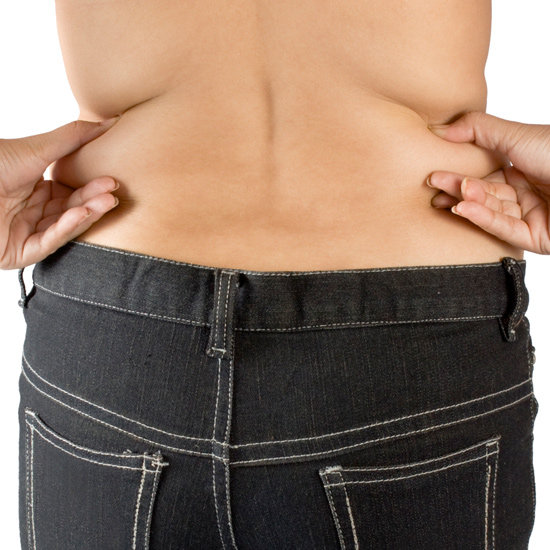
The lump of flesh that protrudes around the edges of the bra at the back of the body is called “back fat.”

Image Source: mupso.com


Back fat can be an embarrassing sight when wearing a backless dress or tight shirt. The bulge can be unattractive, and suggests an unhealthy lifestyle of poor food choices and lack of exercise.

Sometimes, back fat is produced when a woman wears a bra that is too small for her size. If this is the case, the bulge can be eliminated by wearing the right fit and style of bra. Intimate Guide suggests using a bra with a wide back panel and wide straps.

Image Source: onsugar.com


When it comes to exercise, the trick is to follow simple exercise routines that can be performed over and over. These include bent-over rows, leg raises, back extensions, and bicycle crunches. Strength and core exercise routines also target and tone the muscles under the diminishing body fat stores. "You can't spot-reduce, but you can spot-firm," says fitness trainer Chris Santos. He recommends using the upper-body ergometer to challenge the entire upper body while burning more than 300 calories an hour.

Image Source: imagekind.com


One of the modern solutions for back fat elimination is the bra-line back lift. This is a procedure that removes 8 to 10 inches of excessive tissue off the back to make it firm and toned. Incisions are carefully planned prior to the procedure so scars will be hidden by the woman’s bra.

The Vein Institue & MediSpa, founded by Dr. Raymond Little, is a respected leader in vascular medicine in Houston, TX. Get to know more about the clinic’s surgical procedures at its website.

Thursday, January 24, 2013

What is angina?

Image source: heartonline.org

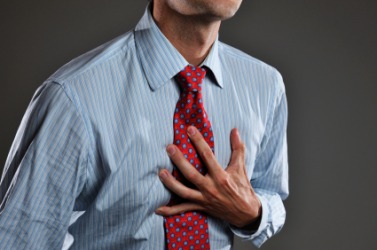
People with blocked artery or coronary artery disease who are constantly doing strenuous activities are most likely to experience pain or discomfort in the chest that lasts for about 1 to 15 minutes. This condition is called angina.

Angina is caused by the lack of blood and oxygen flow to the heart muscle. The pain in the chest is also associated with tightness and heaviness. If not treated, angina may lead to heart attack, cardiac arrest, and sudden death from cardiac arrhythmias (irregular heartbeat).

In severe cases of angina, it is best to undergo medical procedures. Surgeries for the treatment of angina include angioplasty, stenting, and coronary artery bypass surgery. Doctors who specialize in the treatment of angina often have medical training in cardiology. Because angina and other heart diseases are often associated with vein problems, there are also doctors like Alan Hirsch, Peter B. H’Doubler, and Raymond Little who specialize in the treatment of both cardiovascular and vascular diseases.

Image source: yourdictionary.com

However, there are several ways to prevent angina before it worsens. Not smoking, exercising regularly, and eating food that’s good for the heart will slow down the progression of artery blockages. Other risk factors that should be avoided include drug abuse (especially cocaine), obesity, high blood pressure, diabetes, and sedentary lifestyle.

If lifestyle change is not enough to stop angina, medication may be taken. Medicines known to treat angina include aspirin, nitrates, beta blockers, statins, calcium channel blockers, angiotensin-converting enzyme (ACE) inhibitors, and ranolazine (ranexa). People are advised to consult their doctors before taking any of these medicines.

If angina is detected early, treatment is easier and more effective.

Image source: 123tagged.com

This website explains how angina is related to vein problems and how it can be treated by vascular medicine practice.

Thursday, December 13, 2012

Varicose veins in children and young adults

Varicose veins are a common condition in adults, but children and young adults can also suffer from it. Although most people believe that venous diseases are acquired by standing for long periods of time, vein experts such as Charles Acher, Allen Hamdan, and Raymond Little argue that heredity actually plays the largest role in determining who is most prone to have such condition. Young people who have a history of venous disease in their family can therefore be genetically predisposed with conditions like varicose veins.

Image credit: forbes.com

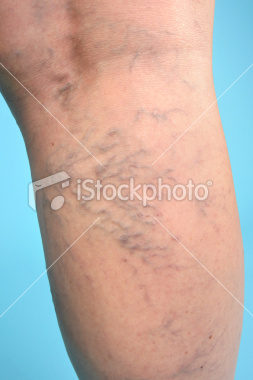
Varicose vein is a dilated or enlarged vein that develops when the valves in the vein no longer function properly or when blood volume in the vein increases. Varicose veins develop most commonly in the legs, but can also occur in the anus, esophagus, and testes in males.

Image credit: ohsu.edu

When young people develop venous reflux, it is highly probable that the disease can be successfully treated. Many clinics offer highly advanced treatments that offer long-lasting benefits. One of these is the VNUS Closure, a procedure that preserves the muscular wall of the veins to allow the surface veins to recede. For patients who still have residual surface veins after VNUS, micro-phlebectomy can be an excellent treatment option.

Image credit: istockphoto.com

The occurrence of varicose veins in younger patients should not be a cause of panic. Many treatment options are widely available to treat this condition. Children can still resume with their normal activities even in such situation.

This website offers more information about about varicose veins.