Thursday, October 25, 2012

Dr. Raymond Little: Varicose veins during pregnancy

This Dr. Raymond Little blog entry talks about the connection between varicose veins and pregnancy.

Dr. Raymond Little Image Credit: 3.bp.blogspot.com

Pregnancy brings many changes in a woman’s body, most of which cover more than just the tummy getting bigger. The body adjusts to make way for the baby, sometimes resulting to disadvantageous physical changes for the mother. These unfavorable changes include the appearance of varicose veins.

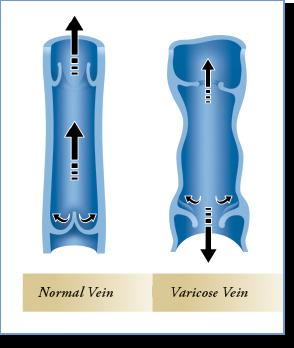
During pregnancy, the body produces extra volumes of blood to make sure that the fetus gets enough nutrients to survive. This, however, puts more pressure on the blood vessels, especially on the veins in the legs which work against gravity to push all the extra blood back up to the heart. This pressure is the reason why varicose veins often come out during pregnancy.

Dr. Raymond Little Image Credit: modernpregnancytips.com

But Dr. Raymond Little and other medical experts believe that expecting women should not be scared of having varicose veins for there are precautionary measures that can prevent the condition from developing. For one, they can do some light exercises to make sure that the blood will keep on circulating. This will make it easier for the blood to go back to the heart without the veins in the lower extremities exerting too much force. Exercising can also help women in keeping the recommended weight for their pregnancy.

Aside from working out, the following can also prevent varicose veins during pregnancy:
• Keeping the feet elevated
• Wearing compression stockings
• Avoiding heavy lifting
• Getting a daily dose of vitamin C

Dr. Raymond Little Image Credit: todaysparent.com

Learn more about Dr. Raymond Little and the treatments for varicose veins by visiting www.veinmedispa.com.

Thursday, September 20, 2012

Dr. Raymond Little: Five classifications of the human vein

Raymond Little image credit: bupa-intl.com


Dr. Raymond Little is the founder and CEO of The Vein Institute & MediSpa in Northern Houston. The medical center specializes on vascular medicine and utilizes the necessary technology and knowledge for patients to have the highest possible quality of medical service.

The vein, an important component of vascular medicine, is more than just a large web of bimolecular threads in the body. It functions as the main conduit for the blood and one of the lifelines for every living organism. Generally, it is classified into five categories:

Superficial vein
Found close to the surface of the body, superficial veins are important for cooling the body. When the body is very warm, they jolt blood from the deep veins, facilitating heat transfer to their surroundings.

Dr. Raymond Little received his medical degree from Boston University and completed a fellowship in cardiovascular medicine at Georgetown University in Washington, DC.


Raymond Little image credit: 0.tqn.com


Deep vein
Deep veins carry the vast majority of the blood and are almost always beside an artery with the same name (e.g., the femoral vein is beside the femoral artery).

Communicating vein
Also known as perforator veins, communicating veins directly connect superficial veins to deep veins and have valves that only allow blood to flow between these blood vessels.

Pulmonary vein
Carrying oxygenated blood from the lungs to the left atrium of the heart, pulmonary veins are unusual because almost all other veins carry deoxygenated blood.

Systemic vein
Systemic veins are blood vessels that drain deoxygenated blood from most of the body, as opposed to pulmonary veins.

Raymond Little image credit: veinmedispa.com


More information about Dr. Raymond Little can be read at www.veinmedispa.com.

Thursday, August 16, 2012

Vein men: Dr. Raymond Little and male vein conditions

Raymond Little | Image credit: reachsite.com


Most guys think varicose veins are:


a) a woman’s problem

b) not a big deal

c) for older people only


Sorry guys, but according to vascular care specialists, like Dr. Raymond Little, varicose veins and other vein disorders affect men, too. In fact, studies reveal that as much as 56% of men suffer from varicose veins.


Varicose veins are gnarled, enlarged veins. Any vein may become varicose, but the veins most commonly affected are those in the legs and feet. While most men may think varicose veins are cosmetic concerns, ballooned veins may hinder daily activity. And those who suffered from varicose veins know that the pain sometimes can be debilitating. Signs that one may have varicose veins include:


• Veins that are dark purple or blue in color

• Veins that appear twisted and bulging, often like cords on the legs


Raymond Little | Image credit: ohsu.edu


Vein specialists, like Dr. Raymond Little, note that when painful signs and symptoms occur, there may be:


• An achy or heavy feeling in the legs

• Burning, throbbing, muscle cramping, and swelling in the lower legs

• Worsened pain after sitting or standing for a long time

• Itching around one or more of the veins

• Skin ulcers near the ankle, which can mean a serious form of vascular disease that requires immediate medical attention


Doctors note that by the time they reach their 70s, more than 40% of men are affected with varicose veins. Self-care such as exercising can help ease the pain of varicose veins and prevent them from getting worse. But if a man is concerned about how the veins look and feel and self-care measures haven’t stopped the condition from getting worse, then it is time to see specialists, like Dr. Raymond Little.


Raymond Little | Image credit: veinmedispa.com


More information about Dr. Little is available at www.veinmedispa.com.

Friday, July 06, 2012

Passing out: Dr. Raymond Little on syncope

Raymond Little image credit: ehowcdn.com


Fainting, medically known as syncope, results from a drop in blood pressure or heart rate. According to medical experts, like Dr. Raymond Little of The Vein Institute & MediSpa, fainting may occur because of certain triggers, such as dehydration, stress, or exhaustion. Meanwhile, recurrent syncope may be the sign of a heart condition; and those who suffer from such should immediately consult their physician to determine the cause of their fainting and to receive treatment.

Fainting, also called syncope, is a sudden, brief loss of consciousness and posture caused by decreased blood flow to the brain. It can be caused by various medical conditions, which include heart problems such as irregular heartbeats, seizures, panic or anxiety attacks, low blood sugar, anemia, and problems with how the nervous system regulates blood pressure. Doctors, like Raymond Little, also note that some types of fainting seem to run in families. While fainting may indicate a particular medical condition, sometimes it may occur in an otherwise healthy individual. Fainting is also a particular problem for the elderly, who may suffer serious injuries from falls when they faint. Most episodes are very brief. In most cases, the individual who has fainted regains complete consciousness within just a few minutes.

According to statistics, fainting is a common problem, accounting for 3 percent of emergency room visits and 6 percent of hospital admissions. It can happen to otherwise healthy people.


Raymond Little image credit: s3.amazonaws.com


Prior to passing out, one may experience the following:


• Feel weak, dizzy, lightheaded, or nauseated

• Sweat and turn pale

• Hear ringing and/or random, fading sounds

• Experience a visual disturbance, like everything seems “graying out”


According to doctors, like Raymond Little, such symptoms may last for a few seconds before a brief loss of consciousness occurs. Recovery from fainting is rapid, although one may initially feel nauseous and sweat profusely.

If one feels the warning signs of fainting, medical experts, like Dr. Little, suggest lying down, with the legs elevated, ideally higher than the head. It is also important to follow the doctor’s guidelines and attend all appointments to prevent future episodes of syncope.


Raymond Little image credit: veinmedispa.com


If you have been suffering from syncope, set an appointment with Dr. Raymond Little. Visit this website for more details.

Wednesday, June 27, 2012

A hearty look at Dr. Raymond Little—vascular med expert, physician extraordinaire

He’s into a challenging business, you can say that. But at the heart of it, Dr. Raymond Little, a respected cardiologist, is certainly giving a lot more.


Raymond Little Image Credit: Cbc.ca


Dr. Little, the vein care expert from Kingwood, Texas, is not only a certified vascular health expert but also a respected cardiologist. You see, in that part of the world, he’s just always the right man for the weak of hearts. Call it heartfelt service, because that’s what he gives.


Dr. Little has actually a lot more bright, impressive lines and stats in his resume. Although he had a lot of professional affiliations to various reputable organizations, among the most notables were his stints as a member of the Board of Directors for American Heart Association (chapters in both Texas and Virginia) and on the Board of Directors for the Kingwood/Humble American Heart Association. Dr. Raymond Little is also a board-certified diplomat for the American Board of Internal Medicine-Cardiovascular Diseases and a fellow of the American College of Cardiology.


Raymond Little Image Credit: Foxnews.com


Dr. Little has actually been treating patients with cardiovascular problems for the past eight years. If that time still looks short enough, then just look at the kind of mastery that he provides. At Kingwood Medical Center, an HCA Affiliated Hospital, he works as an interventional cardiologist. As a resident physician, he is an expert in interventional cardiology procedures, peripheral vascular interventions, pacemaker implantation, and nuclear cardiology. So far, no known patient has had a change of heart (figuratively, of course). You can also find that out in his Houston Heart & Vascular Associates clinic in Kingwood.

Dr. Little explains what he’s doing:

“I like to educate my patients and the community on other disorders, such as peripheral vascular disease. The public may not be familiar with these other disorders, but they pose a significant health risk.”

And why he’s doing it? “Vascular health involves more than the heart,” he says.


Raymond Little Image Credit: Spiderpic.com


Dr. Raymond Little might not be talking about the love thing, but at their home in Kingwood, his wife Holly and their two children might readily tell you one sure thing: he’s doing things in the right vein (Just sayin’).

To know more about Dr. Raymond Little, visit this Facebook page.

Friday, May 25, 2012

Dr. Raymond Little: And you thought varicose veins are harmless

If the veins don’t properly return blood from the lower leg to the heart, the individual can develop varicose veins. Vein disease experts, like Dr. Raymond Little, advise men and women who think that varicose veins are nothing but a cosmetic problem to seek immediate medical attention.

Approximately 60% of Americans suffer from some form of vein disorder. However, women are more affected -- 41% of women suffer from vein disorders by the time they reach their 50s. This alarming number shows that vein diseases are very common, which means that many are at the brink of experiencing possible health hazards without even knowing it.


Raymond Little photo credit: Howstuffworks.com

Although spider veins and small veins that appear near the surface of the skin are generally not a cause for alarm, they have to be managed with simple remedies and preventative measures.


Dr. Raymond Little is the founder and CEO of The Vein Institute & MediSpa in Northern Houston.


From Raymond Little

When left untreated, these small veins can grow larger and obstruct blood flow. Blood may leak through them and flow down the leg and into the wrong places. The blood then makes the veins bulge and become more visible. Bleeding under the skin, eczema-like patches, and ulcers can occur. These symptoms can worsen and may lead to the development of deep venous thrombosis (DVT). DVT is characterized by the formation of blood clots inside the deep veins of the leg. If a clot breaks off through the bloodstream, it’s called embolism. This embolism may affect the brain, heart, and lungs.


From Raymond Little

Read more of Dr. Raymond Little’s expertise in treating vein disorders at www.veinmedispa.com.

Sunday, April 29, 2012

For a more beautiful you: Dr. Raymond Little and photodynamic therapy

Dr. Raymond Little and The Vein Institute & MediSpa encourage you to indulge yourself in satisfying facial rejuvenation treatments to experience a more revitalized and younger looking skin. They offer non-surgical cosmetic procedures as Botox® and dermafillers, and also provide comprehensive information, through the interactive Patient Education guide, about other facial rejuvenation solutions like the photodynamic therapy (PDT).


Raymond Little photo credit: Lh5.googleusercontent.com


PDT is a medical treatment involving the use of a photosensitizing drug and a light source. The result: an activated oxygen molecule that destroys surrounding damaged cells. This revolutionary procedure dramatically alleviates your skin problems – wrinkles, damaged or large pores, actinic keratosis, or dark pigments.


Raymond Little photo credit: Lh6.googleusercontent.com


Medical practitioners like Dr. Raymond Little can easily perform the procedure in their clinics in an outpatient setting. Basically, the process involves three steps:

1. Administration of a light-sensitizing cream, liquid, or rejuvenating drug

 2. An incubation period of about 30 minutes which can extend to a few days depending on doctor’s recommendations

 3. Exposure of the target tissue to a specific wavelength of light that works to activate the rejuvenating substance, causing the skin to peel.


Following treatment, your skin may appear sunburned or peeled off. For optimal results, you may undergo at least three treatments, depending on your skin type and condition.


Raymond Little Photo Credit: Discovery.com


To get more information about Dr. Raymond Little’s skin care services, call (281) 312-0208 and visit www.veinmedispa.com.